A dedicated aurora chase
Focuses primarily on finding favourable viewing conditions and may change location according to cloud cover.
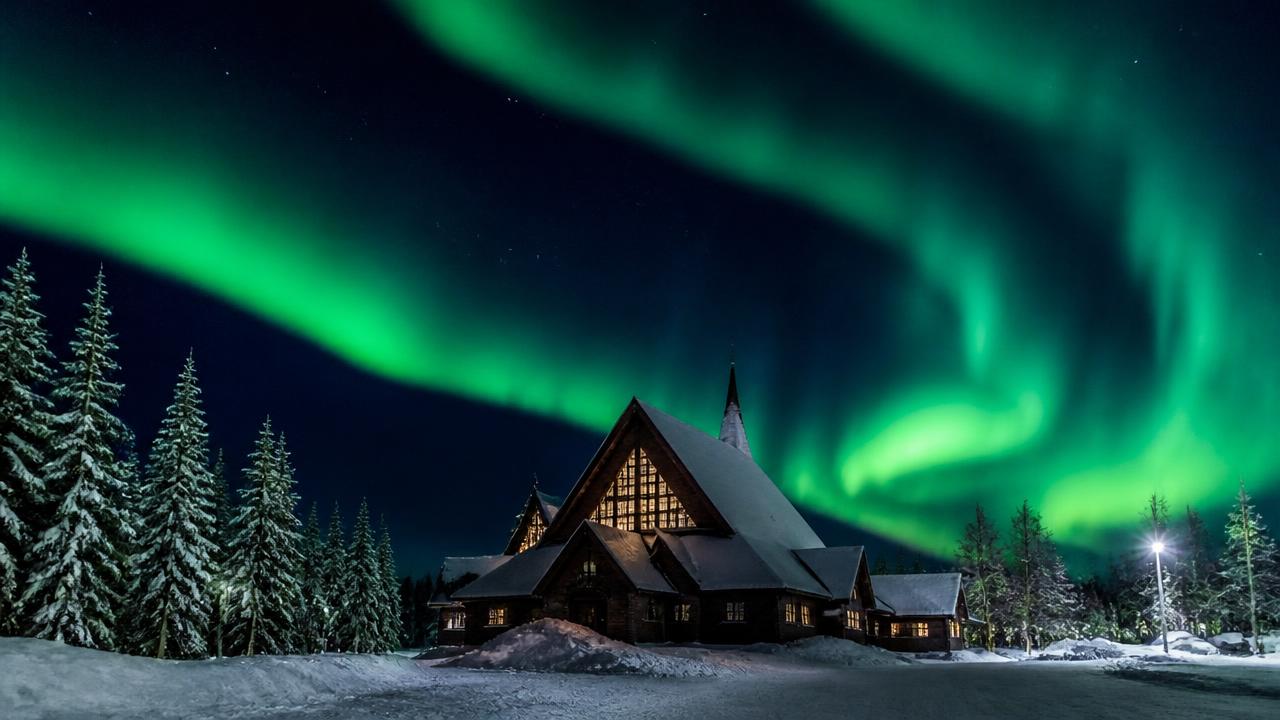
68° north · Swedish Lapland · Sweden
Kiruna is Sweden's northernmost city and one of the main Northern Lights destinations in Swedish Lapland.
Located around 200 kilometres north of the Arctic Circle, Kiruna sits beneath the auroral oval and is surrounded by forests, lakes and vast Arctic landscapes. Northern Lights season generally runs from September until late March.
Aurora can sometimes be visible directly from Kiruna, but moving away from the city's artificial light provides darker viewing conditions. Kiruna also has a large selection of guided experiences, from mobile aurora chases and photography tours to snowmobile and dog sledding trips.
Below you can compare Northern Lights tour operators in Kiruna, check tonight's aurora forecast and find practical advice on when, where and how to see the Northern Lights.
Starting location matters
Kiruna has a varied Northern Lights tour market. You can search for the aurora by minibus or car, join a photography tour, travel by snowmobile or dog sled, book a private experience or combine aurora viewing with another Arctic activity. Each card shows where the tour starts — Kiruna, nearby Jukkasjärvi or Abisko.
Verified operators in this category will appear here when partner information is added.
Group size, mobile or fixed format, photography, camera equipment, thermal clothing, winter boots, food, pickup, drop-off and current from-price will only appear when verified operator information is available. Winter activities where the aurora is only an incidental possibility are not listed as dedicated Northern Lights tours.
This distinction matters in Kiruna.
Focuses primarily on finding favourable viewing conditions and may change location according to cloud cover.
Combines Northern Lights viewing with dog sledding, snowmobiling, photography, dinner or Sámi experiences. Memorable Arctic evenings, but often with less geographical mobility.
Northern Lights season
September – late March
Location
Around 200 km north of the Arctic Circle
Can you see them from Kiruna?
Yes
Do you need a tour?
No
Do you need a high KP index?
No
Main city challenge
Artificial light
Main advantage
High latitude and darker Arctic surroundings close by
Nearby aurora destination
Abisko, around 100 km west
Live conditions
A useful forecast combines aurora activity, cloud cover, darkness and local weather. Cloud cover remains critical: strong aurora above Kiruna cannot be seen through thick cloud.
View detailed Kiruna aurora forecastKiruna lies far north beneath the auroral oval. You do not need a major geomagnetic storm to have a chance of seeing the Northern Lights.
For someone already in Kiruna, local cloud conditions can be more important than waiting for a large KP number.
Cloud cover around Kiruna does not automatically mean every surrounding area has identical conditions. Local guides use weather and aurora forecasts to choose where to search for clearer sky, and a mobile chase may travel away from the city.
Kiruna's high latitude, around 200 kilometres north of the Arctic Circle, provides frequent opportunities for aurora activity during the dark season.
Kiruna produces artificial light, but it is surrounded by forest, lakes and sparsely populated Arctic landscape. You do not need to travel enormous distances to reach significantly darker surroundings.
Kiruna's tour market is one of its biggest advantages: traditional vehicle-based chases alongside photography, snowmobile, dog sled and other Arctic experiences.
Abisko lies around 100 kilometres west. Some tours use the wider Kiruna–Abisko region depending on conditions, but the two destinations should not be treated as interchangeable.
Season generally runs from September until late March. The first aurora can become visible around early September as dark nights return, and sightings can sometimes continue into early April.
September & October
Dark nights return while the landscape transitions from autumn towards winter. Snow is not guaranteed early in the season.
November & December
Nights become extremely long, and Kiruna has Polar Night during part of December and early January. Darkness alone does not guarantee visible aurora.
January & February
Classic deep-winter conditions with long nights and snow-covered landscapes. Temperatures can become very low.
March
Winter scenery combined with rapidly increasing daylight. Nights remain dark enough for Northern Lights viewing.
There is no single month when sightings are guaranteed. The most important ingredients are darkness, clear sky, aurora activity and enough nights in Kiruna.
September and October provide autumn and early-winter conditions. December and January bring extremely long darkness. February offers deep winter, while March combines snow with significantly more daylight. Choose the wider Arctic conditions you want rather than one perfect aurora month.
There is no fixed schedule. Aurora can appear whenever the sky is sufficiently dark and conditions are favourable. Evening through the hours around midnight is commonly used, but displays can occur earlier or later, and during the darkest part of winter Kiruna becomes dark much earlier.
Yes. Northern Lights can be visible directly from the city when skies are clear and aurora activity is sufficient. Strong displays can overcome a significant amount of urban light, but artificial lighting reduces contrast and makes weaker aurora harder to see.
There is no single best location. Tonight's best area depends on cloud cover, artificial light, aurora activity, viewing direction, road conditions and safe access. Exact pins will only be published after winter access, parking and nighttime suitability are verified.
You don't necessarily need to travel far. Moving away from the brightest streets reduces artificial light while keeping you close to accommodation.
No carHigher, more open terrain close to the city can give broader views of the sky. Specific access points will only be recommended after winter access and safe parking are verified.
Open viewEast of Kiruna, with darker surroundings away from the city's main artificial light. Also the base for several Arctic experiences.
Dark skyThe road southwest leads into sparsely populated Arctic landscape. Winter conditions and safe, legal parking must be checked before travelling.
PhotographyAround 100 km west, known for local conditions that can sometimes be clearer. Useful when tonight's weather justifies the drive—not an automatic solution.
Dark skyAurora can be visible directly from Kiruna. A car gives extra flexibility to reach darker surroundings or respond to cloud cover.
Adds local weather knowledge, transport, cloud and forecast interpretation and access to different viewing areas—particularly useful when Kiruna itself is cloudy.
Dog sledding, snowmobiling, photography, dinner or snowshoeing where the journey is part of the evening. The trade-off can be mobility, but the evening still has value if the aurora stays quiet.
Kiruna has several very different types of Northern Lights tours. Compare the experience, not just the price.
Check whether the tour starts in Kiruna, Jukkasjärvi, Abisko or somewhere else. Distances matter in Arctic winter conditions.
Does the operator actively change location according to cloud cover, or does the evening mainly take place in one area? This is one of the most important distinctions.
Check the actual maximum number of guests.
Check how long the experience normally lasts and whether the return time is flexible.
Confirm whether camera instruction, tripods, cameras, guide photographs or guest photographs are included.
Kiruna can become extremely cold. Check whether thermal overalls, winter boots, mittens and hats are provided.
Confirm whether accommodation pickup and return transport are included.
The two are close enough that visitors often compare them, but they offer different Northern Lights experiences.
Neither destination guarantees Northern Lights. The practical difference: Kiruna provides more tour variety and mobility, while Abisko provides immediate access to very dark skies and distinctive local weather conditions.
Northern Lights in AbiskoKiruna can become extremely cold during winter, and viewing often means standing outside for long periods with little movement.
Avoid relying on a single night. Cloud cover and aurora activity change from evening to evening, and several nights provide more opportunities for favourable conditions to coincide. For a Northern Lights-focused visit, three to four nights provides useful flexibility. This is practical planning advice, not a guarantee.
No. Northern Lights can be visible directly from Kiruna, and organised tours provide transportation. A car does give independent travellers greater flexibility to reach darker surroundings and respond to cloud cover.
Winter driving can involve snow, ice, extreme cold, darkness, reduced visibility and changing road conditions. If you are unfamiliar with Arctic winter driving, a guided tour may be the easier option.
Northern Lights hunting takes place in darkness and often in very cold winter conditions.
Northern Lights can appear suddenly while you are driving. Continue until you reach a safe and legal place to park. A good view is never worth creating a traffic hazard.
No. Kiruna's northern location provides frequent opportunities during the dark season, but no destination, tour or forecast can guarantee a sighting. You still need darkness, clear sky and aurora activity.
Stay several nights. Check local cloud conditions. Use every clear opportunity.
Practical answers
Watch from the city, move somewhere darker, join a mobile chase, combine the aurora with dog sledding, snowmobiling or photography—or travel towards Abisko when conditions justify it. Give yourself several nights, check the local sky and use clear nights when you get them.