64° north · Iceland's capital · Iceland
Northern Lights in Reykjavik: The Complete Travel Guide
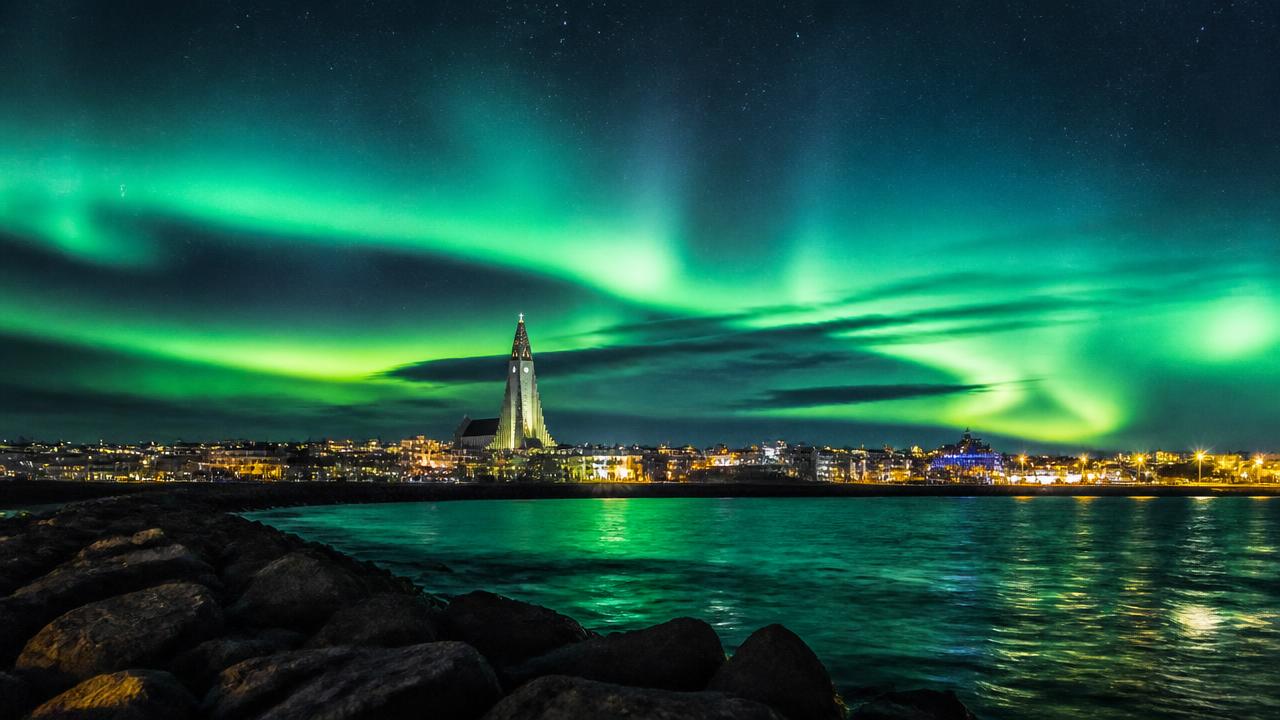
Reykjavik is one of Iceland's main bases for seeing the Northern Lights. From late August until early April, the nights become dark enough for aurora viewing.
Strong displays can sometimes be seen directly from Reykjavik, while darker locations around the edge of the city provide better conditions away from artificial light.
Reykjavik is also the starting point for tours that search for clearer skies outside the city. Seeing the aurora is never guaranteed: cloud cover, darkness and aurora activity all need to cooperate.
Below you can compare tour operators, check tonight's forecast and find practical advice on when, where and how to see the Northern Lights.
Compare experiences
Northern Lights Tour Operators in Reykjavik
Compare road-based aurora chases, coach tours, small groups, photography tours, private experiences and Northern Lights cruises.
No tours in this category right now.
More operator categories will appear as partners are added.
Operator listings will show vehicle or boat type, maximum group size, duration, photography, thermal clothing, food and drinks, pickup, drop-off, retry and cancellation policies, and current from-price as verified partner details are added.
Reykjavik Northern Lights at a Glance
Northern Lights season
Late August – early April
Can you see them from Reykjavik?
Yes
Do you need a tour?
No
Do you need a car?
No
Main city challenge
Artificial light
Main weather challenge
Cloud cover
Best strategy
Give yourself several nights
Tonight's conditions
Check the live forecast below
Live conditions
Northern Lights Forecast for Reykjavik
A useful forecast answers two questions: is there enough aurora activity, and will the sky be clear enough to see it? Even strong activity is invisible beneath thick cloud.
View detailed Reykjavik aurora forecastDon't Focus Only on the KP Index
The KP index measures geomagnetic activity across a broad area. It is useful, but should not be treated as a simple Northern Lights score.
For someone already in Reykjavik, cloud cover and local conditions can be just as important. Modest activity beneath clear sky may create a better opportunity than stronger activity hidden behind cloud.
What if Reykjavik is cloudy?
Cloud conditions can differ across Iceland. Clearer skies may exist outside the capital area, which is one of the main advantages of a mobile chase.
Why Is Reykjavik Good for the Northern Lights?
Reykjavik combines the convenience of Iceland's capital with several ways to look for the aurora. Strong displays can sometimes be visible directly from the city.
Darker areas around the edge of Reykjavik reduce artificial light without requiring a long journey. When local conditions are poor, tours can travel farther from the capital in search of clearer skies.
When Can You See the Northern Lights in Reykjavik?
The season generally runs from late August until early April, when the sky becomes sufficiently dark. Aurora activity occurs throughout the year, but Iceland's bright summer nights prevent normal viewing.
Late August & September
Dark nights begin returning after summer. Aurora can become visible again during the darker hours, while snow is not guaranteed.
October
Nights become considerably longer, creating larger windows for potential Northern Lights viewing.
November & December
Among Reykjavik's darkest months. Long nights help, but cloud cover and aurora activity still decide visibility.
January & February
Long dark nights continue through midwinter. Weather can be highly variable, making flexibility particularly important.
March
Daylight increases while the nights remain dark enough for Northern Lights viewing.
Early April
Aurora can still appear during sufficiently dark hours, but the viewing window shortens quickly.
What Is the Best Month to See the Northern Lights in Reykjavik?
There is no single guaranteed month. Darkness, clear skies, aurora activity, patience and enough nights all matter.
November through March offer especially long dark periods. September, October and early April can also provide opportunities. Rather than planning around one supposedly perfect month, allow several nights to work around Iceland's changing weather.
What Time Do the Northern Lights Appear in Reykjavik?
There is no fixed schedule. Aurora can appear whenever the sky is sufficiently dark and conditions are right. Late evening and the hours around midnight are commonly used, but displays can occur earlier or later.
Can You See the Northern Lights From Reykjavik?
Yes. Strong displays can sometimes be seen even from central areas. Artificial light reduces contrast and makes weak aurora harder to see, so moving away from bright streetlights usually improves the view.
Best Places in Reykjavik to See the Northern Lights
The right location depends on cloud cover, activity, artificial light and how far you want to travel. These are useful areas rather than promises or unverified roadside pins.
Reykjavik Waterfront
The easiest option for central visitors. Strong displays can sometimes be visible here before you travel anywhere else.
No carGrótta / Seltjarnarnes
A well-known western-edge viewing area with less artificial light and an open coastal outlook close to the city.
CoastÖskjuhlíð
Darker surroundings relatively close to central Reykjavik when you want to reduce direct artificial light.
Easy accessElliðaárdalur
An urban valley that provides another option for stepping away from some of the capital's brightest lighting.
CityHeiðmörk / Elliðavatn
Darker surroundings on the edge of the capital area for visitors willing to travel farther from the centre.
Darker skyNorthern Lights Tour or See Them on Your Own?
All three approaches can work from Reykjavik. The right choice depends on the night's conditions, transportation and how much help you want interpreting the weather.
Joining a road-based chase
Guides monitor cloud cover and forecasts, then change direction when necessary. This offers the greatest geographical flexibility.
Northern Lights boat tour
Cruises leave much of the city's artificial light behind and provide open sea horizons, but cannot drive long distances around cloud.
Seeing them independently
Start in the city, move somewhere darker if needed and use a rental car only when your experience and conditions make it sensible.
How to Choose a Northern Lights Tour in Reykjavik
Reykjavik has many Northern Lights tours. Compare more than price.
Bus, minibus or private?
Check the actual maximum group size. Smaller vehicles may offer more interaction, while private tours provide the greatest privacy and flexibility.
Road or boat?
Road tours search geographically for clearer skies. Boat tours reduce city light and provide open horizons. They solve different problems.
Duration
Check the typical duration and whether the return time is fixed.
Photography
Check whether camera help, tripods, guide photographs and guest images are included.
Warm clothing
Confirm whether thermal clothing is included rather than assuming every operator provides it.
Pickup and drop-off
Many tours use designated pickup points or bus stops. Check the exact meeting point before departure.
Free retry
Verify whether a retry is free, how long it remains valid, whether rebooking is required and whether places are subject to availability.
Cancellation policy
Compare the operator's current terms together with the price and inclusions.
What to Wear for the Northern Lights in Reykjavik
Northern Lights watching often means standing outside for long periods. Wind and moisture can make conditions feel considerably colder than the temperature suggests.
- Wool or thermal base layers
- Insulating mid-layers
- Wind-resistant outerwear
- Warm waterproof jacket
- Warm trousers
- Waterproof footwear
- Wool socks
- Hat
- Gloves or mittens
- Neck warmer
How Many Nights Do You Need in Reykjavik?
If seeing the Northern Lights matters, avoid relying on one night. Iceland's changing weather can easily interfere with one evening. For many visitors, four to five nights provides useful flexibility.
Do You Need a Car to See the Northern Lights in Reykjavik?
No. Aurora can appear from Reykjavik, several darker areas do not require a long drive, and organised road tours and cruises provide transportation. A car adds flexibility but also winter-driving responsibility.
Winter driving in Iceland can involve:
- Ice
- Snow
- Strong winds
- Reduced visibility
- Rapid weather changes
- Road closures
If you are not comfortable driving in winter conditions, joining a tour removes much of that responsibility.
Northern Lights Safety Around Reykjavik
Aurora hunting takes place in darkness and sometimes difficult winter weather.
- Never stop in the road to watch the aurora.
- Use legal parking areas.
- Check current weather and road conditions.
- Be careful on icy surfaces.
- Take extra care around exposed coastal areas.
- Avoid unfamiliar frozen lakes or water.
- Do not continue driving if conditions become unsafe.
Insider tip: darkness helps the aurora — not your footing
The darker the location, the harder it is to see ice, uneven ground and coastal hazards. Carry a small light when walking between transport and the viewing area.
Can the Northern Lights Be Guaranteed in Reykjavik?
No. No destination, operator or forecast can guarantee a sighting. Some operators offer another attempt when no aurora is seen, but that is a booking policy rather than a guarantee that the next night will succeed.
Give yourself several nights. Check the forecast. Look for clear sky. Stay flexible.
Practical answers
Reykjavik Northern Lights FAQ
Plan Your Northern Lights Experience in Reykjavik
Check the city sky. Move somewhere darker when necessary. Join a mobile tour when clearer conditions may be available elsewhere. Give yourself several nights and use the clear ones.