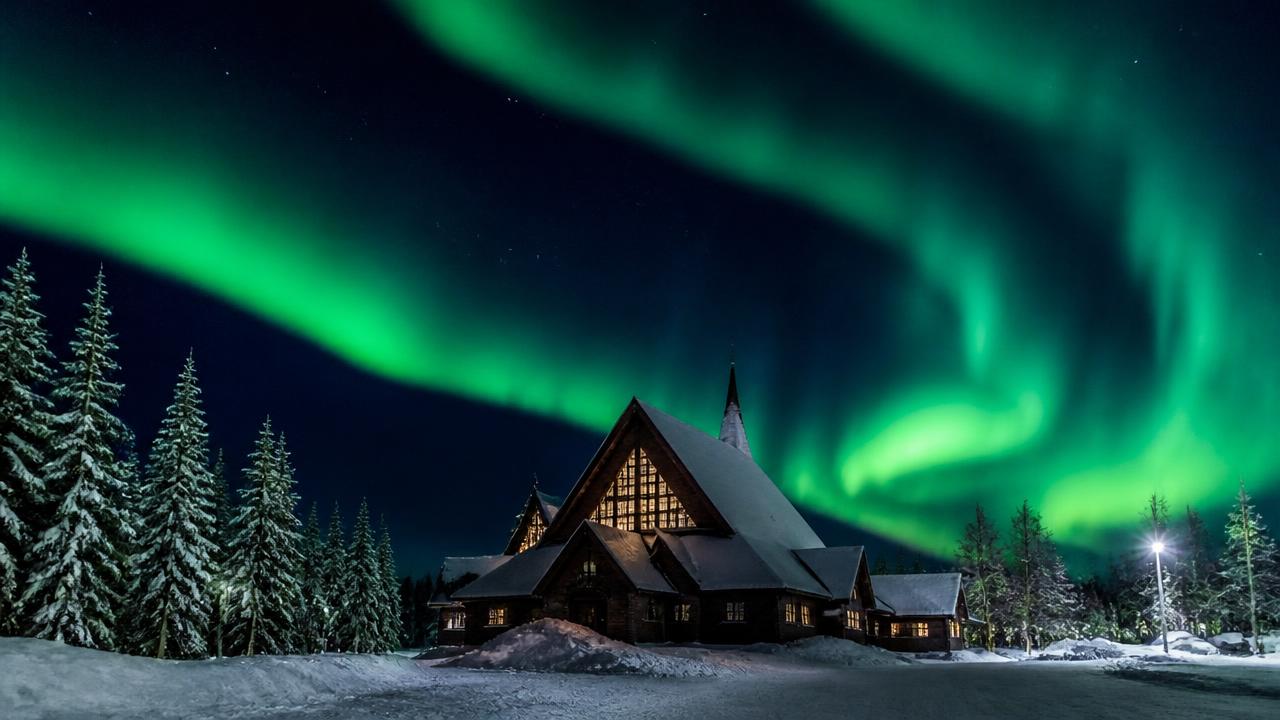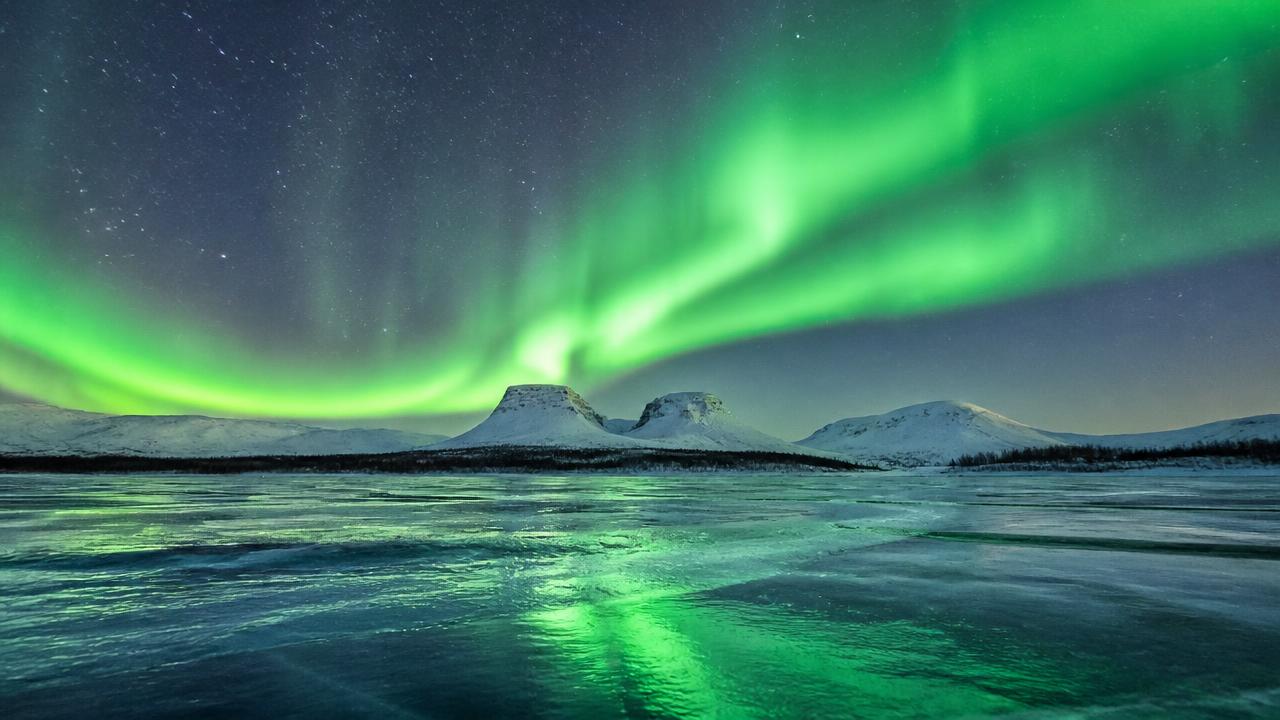
Northern lights over a frozen lake and mountains in Abisko, Swedish Lapland

Swedish Lapland · Arctic interior

Northern Lights in Sweden: Where, When and How to See the Aurora

Northern Sweden is one of Europe’s major regions for seeing the Northern Lights.

Above the Arctic Circle, Swedish Lapland combines long winter nights, low artificial light and landscapes ranging from mountains and frozen lakes to forests and Arctic towns.

But Sweden is not one destination. Abisko is known for dark skies and distinctive local weather, while Kiruna provides a larger base with tours and mobility.

This guide helps you decide where, when and how to see the aurora.

Choose your Swedish Lapland base

Where can you see the Northern Lights in Sweden?

Aurora can occasionally appear across much of Sweden during strong activity. For an aurora-first trip, focus on Arctic Sweden around and north of the Arctic Circle.

Interactive Swedish Lapland explorer

Eight different northern bases

Mountain · Good tour market

Abisko

A tiny, dark base beside Lake Torneträsk and Abisko National Park, known for a potential local clear-sky advantage.

Select 2–4 to compare

Abisko and Kiruna are the primary bases. No overall score: destination size, mobility, rail access and weather characteristics solve different needs.

Primary destinations

The main Northern Lights destinations in Sweden

Abisko and Kiruna dominate because they provide two genuinely different, well-connected ways to plan an aurora trip.

Northern lights landscape in Abisko

Stay + watch

Abisko

Dark skies and a potential local clear-sky advantage

Stay beside Lake Torneträsk and Abisko National Park, walk into darker surroundings, join a local experience or use Aurora Sky Station when operating conditions allow.

  • Good tour selection
  • Excellent without a car
  • Mountains, lake and national park
  • Challenge: local cloud still occurs
Northern lights landscape in Kiruna

Regional base + mobility

Kiruna

Tour variety, transport and Arctic experiences

Use Sweden’s northernmost city for mobile chases, photography, snowmobile and dog-sled experiences, Jukkasjärvi, Abisko and the wider Arctic interior.

  • Large tour selection
  • Excellent without a car
  • Forest, lakes and regional reach
  • Challenge: city light and cloud

Explore more

More Northern Lights destinations in Sweden

These smaller bases can add wilderness, village or road-trip character, but generally require more planning and have less dedicated aurora infrastructure.

Jukkasjärvi

Future guide

A darker village setting about 20 minutes from Kiruna, with experiences often linked to accommodation or activity providers.

Good for: Dark surroundings + experiences

Consider: Transfers and the starting location of each experience.

Gällivare

Future guide

A smaller Arctic base with Dundret mountain nearby and broad views beyond town.

Good for: Open views + independent viewing

Consider: Less dedicated aurora infrastructure than Kiruna; a car is useful.

Jokkmokk

Future guide

A forest-and-river destination just north of the Arctic Circle, best framed as an independent base rather than a major tour hub.

Good for: Dark rural surroundings

Consider: Smaller tour inventory and greater value from independent mobility.

Laponia

Future guide

A vast protected landscape best approached through practical gateways such as Gällivare or Jokkmokk.

Good for: Extremely low artificial light

Consider: Remote wilderness requires planning; darkness alone is not a reason to enter unfamiliar terrain at night.

Torne Valley

Future guide

Route 99 follows the Torne River through small communities towards Karesuando—the Northern Lights Road.

Good for: Dark rural landscapes

Consider: Best for travellers experienced with winter road trips.

Luleå

Future guide

An accessible northern city for travellers combining aurora with a wider Sweden trip.

Good for: Accessibility

Consider: Its lower latitude makes Abisko and Kiruna stronger choices for an aurora-first journey.

Side by side

Compare Northern Lights destinations in Sweden

Select destinations in the explorer. Compare characteristics rather than searching for a false overall winner.

DestinationAbiskoKirunaJukkasjärvi
Main characterSmall aurora destinationArctic regional hubSmall Arctic village
Tour marketGoodLargeGood
Without carExcellentExcellentGood
LandscapeMountains + lakeForest + lakesRiver + forest
Main advantageLocal clear-sky conditionsTour variety + mobilityDark surroundings + experiences

The central Sweden decision

Abisko or Kiruna?

Choose Abisko if you want…

  • Very dark surroundings
  • Easy independent viewing
  • Mountains and Lake Torneträsk
  • A small Arctic destination
  • Aurora Sky Station
  • A potential local cloud advantage

Choose Kiruna if you want…

  • More tours and activities
  • Mobile vehicle-based chases
  • Airport and railway connections
  • Photography, dogsled and snowmobile options
  • Easy access to Jukkasjärvi
  • Regional mobility towards Abisko

Abisko: dark skies + local clear-sky potential + stay and watch. Kiruna: regional base + tour variety + mobility. Neither guarantees aurora.

Local weather

What is the Abisko Blue Hole?

Mountains west of Abisko can influence local weather and sometimes leave an opening in the cloud while nearby areas remain overcast. This potential local advantage helped build Abisko’s reputation.

What it can mean

Abisko can sometimes be clearer than surrounding locations such as Björkliden or Kiruna. Compare tonight’s actual local cloud forecasts rather than relying on reputation.

The Blue Hole is not a guarantee

Abisko still experiences cloud, snow, wind and poor visibility. Clear sky also does not guarantee strong aurora activity.

September to March

When can you see the Northern Lights in Sweden?

The main practical season in Arctic Sweden runs from September through late March, sometimes into early April. Summer aurora is hidden by bright nights and the Midnight Sun.

September

Dark nights return around Kiruna and Abisko. Snow is not required.

October

Nights lengthen quickly as autumn turns towards winter.

November

Long Arctic nights arrive and winter conditions become established.

December

Polar Night brings many dark hours, but not more aurora activity by itself.

January

Deep winter continues while daylight slowly begins to return.

February

Long dark nights combine with increasing daylight.

March

Winter landscapes remain while nights are still dark enough.

Early April

Aurora may remain visible, but the dark window closes quickly.

What is the best month?

There is no universal best month. Darkness, clear sky and aurora activity must cooperate; choose the period that also fits the Arctic trip you want.

September & October

Autumn landscapes, milder conditions and possible reflections in unfrozen water.

November – January

Very long nights, deep winter and likely snow, with limited daylight.

February & March

Winter landscapes, more daylight and dark evenings for aurora viewing.

Live across supported Sweden bases

Northern Lights conditions across Sweden tonight

Compare coordinate-based aurora activity and clear-sky chance for Abisko and Kiruna. Local cloud can matter more than waiting for a large KP number.

Open full forecast

Aurora activity from NOAA · Cloud forecast from Yr / MET Norway · Local outlooks use each destination's coordinates

Tonight’s decision

Abisko or Kiruna tonight?

The live cards above compare the same two essentials at each location: aurora activity and whether the sky is clear enough to see it.

Use actual conditions, not reputation

Abisko and Kiruna are close enough to combine, but far enough apart for cloud conditions to differ. The clearest forecast can switch during a trip. Never permanently recommend Abisko simply because of the Blue Hole.

Abisko currently clearerKiruna currently clearerSimilar conditionsClearing later

Kiruna live sky

A valuable observation tool—pending verified permission

The Swedish Institute of Space Physics operates an all-sky camera near Kiruna. We do not embed its imagery until technical integration rights and image licensing are confirmed.

Guided or independent

Do you need a Northern Lights tour in Sweden?

No. Independent viewing is especially realistic in Abisko. Ask what problem a tour would solve where you are staying.

Abisko

Local weather knowledge, photography help, equipment and guided access—often without travelling far.

Kiruna

Vehicle-based chases add regional mobility, while activity tours broaden the experience.

Smaller destinations

With less dedicated inventory, independent viewing often plays a larger role.

How to choose a tour

Mobile chase

Mobility and favourable conditions are the objective.

Photography

Check equipment, instruction and included photos.

Walk or snowshoe

Immersive and local, with lower mobility.

Snowmobile or dogsled

Ask if the activity has value even under weak aurora.

Fixed experience

Shelter and setting, but less cloud flexibility.

Starting locationMobile or fixedGroup sizeDurationPhotographyThermal clothing and bootsPickup and drop-offCancellation and retry terms
Explore Northern Lights tours in Sweden

Sweden’s transport advantage

See the Northern Lights without renting a car

Kiruna and Abisko make Arctic Sweden unusually practical without independent winter driving.

Abisko

Reach it by train, then walk into dark surroundings or use local guided transport.

Kiruna

Arrive by air or rail, then use organised tours for mobility beyond the city.

Kiruna ↔ Abisko

Rail connections make a two-base itinerary possible without a rental car.

Smaller destinations

A car becomes more useful as transport, lodging and viewing areas spread out.

Independent travel

Northern Lights road trips in Sweden

A car opens smaller destinations and rural landscapes, but Arctic distances and winter conditions demand experience.

Potential regional itineraries

Kiruna → Jukkasjärvi
A short link between the city and a darker village setting.

Kiruna → Abisko
The regional hub paired with Sweden’s dedicated mountain aurora base.

Gällivare → Jokkmokk
A more independent inland Arctic journey.

Torne Valley / Route 99
A rural road-trip concept for experienced winter drivers.

Read the night

Cities, direction and cloud cover

Check outside first

Aurora can be visible from Kiruna. Artificial light reduces contrast; it does not stop aurora from appearing.

Do you need to look north?

Not always. Weak activity may begin north, while stronger displays can move overhead. Mountains can both frame and block the sky.

Look for stars

Complete overcast blocks the aurora. If stars are visible through part of the sky, that area is clear enough for aurora to appear.

How many nights should you stay?

No number guarantees aurora. Around four to five nights in the Kiruna–Abisko region gives more flexibility than one evening. A practical split could be two nights in Kiruna and three in Abisko—without changing accommodation every night to chase forecasts.

Cold-weather comfort

What to wear for the Northern Lights in Sweden

Arctic viewing can mean standing still in very low temperatures. Dress for waiting, not for the warmth generated while walking.

Check whether a tour provides thermal clothing and winter boots, but arrive prepared for exposed, inactive periods outdoors.

  • Wool or thermal base layers
  • Insulating mid-layers
  • Warm winter jacket
  • Insulated trousers
  • Winter boots and wool socks
  • Warm hat
  • Mittens or insulated gloves
  • Neck warmer

After dark

Northern Lights safety in Sweden

Darker does not always mean better. A safe, accessible location with clear sky is better than unfamiliar remote wilderness.

  • Check weather and road conditions
  • Wear appropriate winter clothing
  • Carry a light and stay on known routes
  • Never stop in the road
  • Use safe and legal parking
  • Avoid unfamiliar mountain terrain at night
  • Do not assume frozen water is safe
  • Tell someone before remote travel

Can the Northern Lights be guaranteed?

No. Even Abisko’s local weather characteristics do not guarantee clear sky or aurora. You still need darkness, clear enough sky and activity.

Practical answers

Northern Lights in Sweden FAQ

Destination directory

Explore Northern Lights destinations in Sweden

Start with a complete Abisko or Kiruna guide; use the smaller bases as future planning options.

Abisko

Local clear-sky conditions

Kiruna

Tour variety + mobility

Jukkasjärvi

Dark surroundings + experiences

Guide coming later

Gällivare

Open views + independent viewing

Guide coming later

Jokkmokk

Dark rural surroundings

Guide coming later

Laponia

Extremely low artificial light

Guide coming later

Torne Valley

Dark rural landscapes

Guide coming later

Luleå

Accessibility

Guide coming later

Plan your Sweden aurora trip

Choose Abisko for stay-and-watch darkness. Choose Kiruna for mobility and choice.

Or combine them by rail. Give yourself several nights, check local cloud cover, use clear opportunities, and when the Arctic sky is dark and clear—look up.