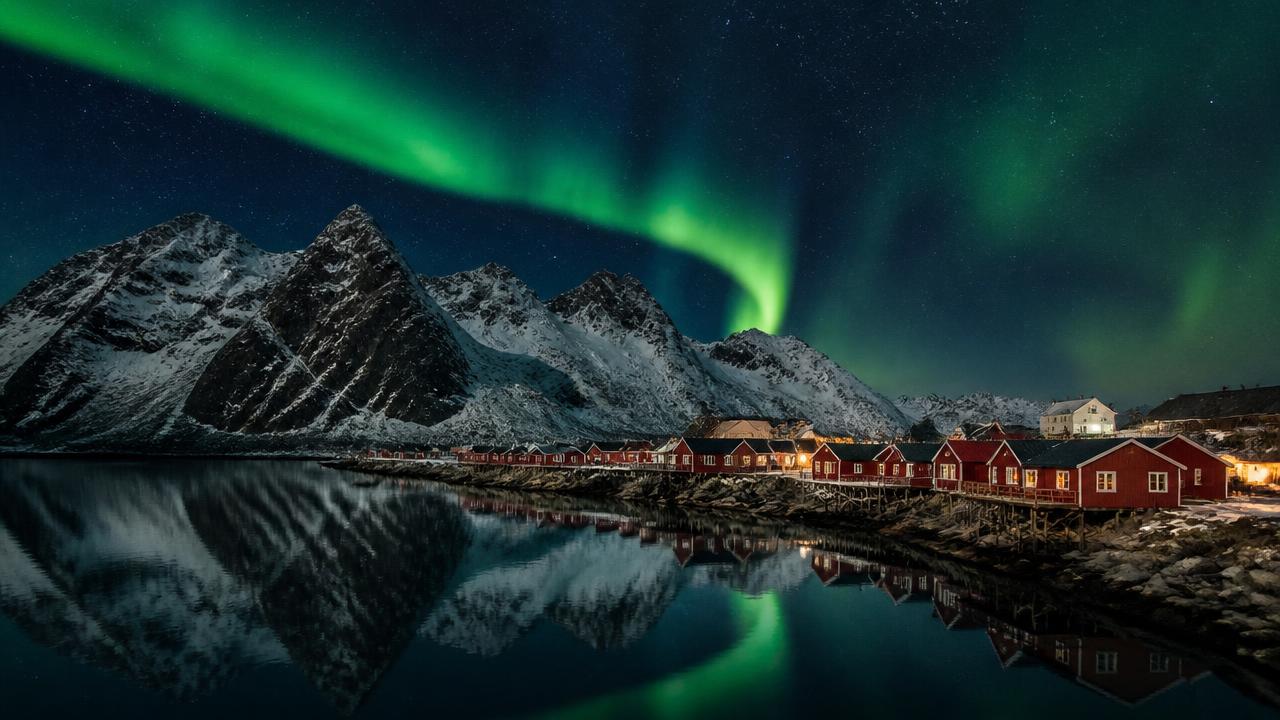
Northern lights over a snow-covered fjord in Northern Norway

Northern Norway · Auroral oval

Northern Lights in Norway: Where, When and How to See the Aurora

Northern Norway is one of the world’s major destinations for seeing the Northern Lights.

Much of the region lies beneath the auroral oval, with long dark nights, relatively low artificial light outside the cities and landscapes ranging from Arctic coastline and islands to inland plateaus and mountains.

But Norway is not one Northern Lights destination. A beach in Lofoten is a very different experience from a mobile chase from Tromsø or using Alta as a base between the coast and inland Finnmark.

This guide compares the main destinations and helps you decide where and when to go.
Choose your base

Where can you see the Northern Lights in Norway?

Northern Lights can appear across large parts of Norway when activity is strong and the sky is dark and clear. For travellers planning specifically around the aurora, Northern Norway provides the most consistent geographical access to the auroral oval. Each base combines weather, landscape, infrastructure and mobility differently.

Interactive Northern Norway map

Explore ten different aurora bases

City · Very large tour market

Tromsø

Operators can travel inland, towards the coast or through surrounding valleys when cloud covers the city.

Select 2–4 to compare

No overall score: the right base depends on your transport, landscape and tour needs.

Primary destinations

The main Northern Lights destinations in Norway

Tromsø, Lofoten and Alta have complete destination guides and provide three clearly different ways to plan an aurora trip.

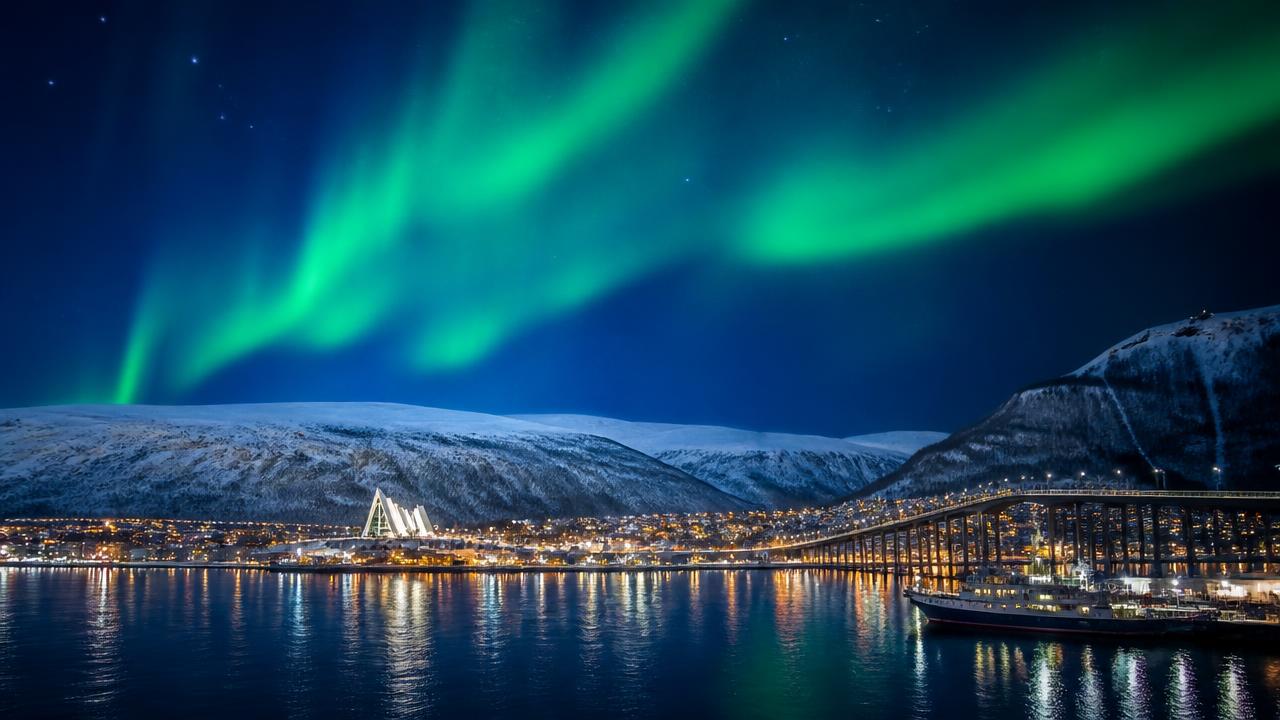
Northern lights landscape in Tromsø

City + mobile chase

Tromsø

Norway’s most established aurora hub

Stay in a lively city and use mobile operators to search inland, along the coast or through surrounding valleys when cloud conditions change.

  • Very large tour selection
  • Excellent without a car
  • Fjords, mountains and coast
Northern lights landscape in Lofoten

Landscape + photography

Lofoten

Norway’s most dramatic aurora setting

Beaches, fishing villages and steep mountains create exceptional foregrounds, but viewing direction, weather and safe coastal access matter.

  • Moderate tour selection
  • A car is useful
  • Beaches, peaks and fjords
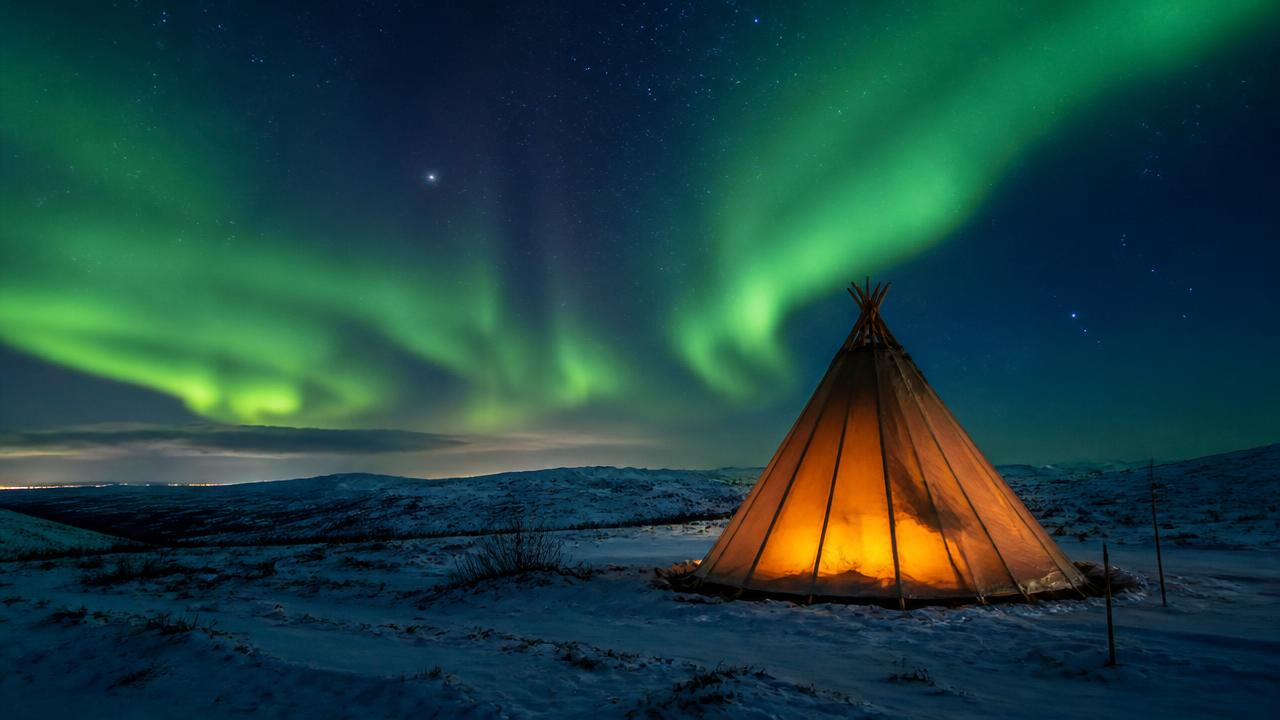
Northern lights landscape in Alta

Coast + inland

Alta

Flexible access across western Finnmark

Use a smaller Arctic city as a base between Altafjord, valleys and the colder inland landscape towards the Finnmark Plateau.

  • Good tour selection
  • Works without a car
  • Long aurora research history

Explore more

More Northern Lights destinations in Norway

Smaller bases can offer remarkable darkness and landscapes, but usually require more independent planning. Dedicated guides will be added only when they offer enough verified value.

Senja

Future guide

Senja combines dramatic mountains, fjords and a relatively small population.

Its dark coastline has some of Lofoten’s visual appeal, but generally demands more independent planning and a car.

Good for: Independent photography

Consider: Limited tour selection and winter driving

Lyngen

Future guide

The Lyngen Alps east of Tromsø combine steep mountains, fjords and very dark surroundings.

The terrain creates spectacular foregrounds, but valleys and peaks can obstruct part of the sky.

Good for: Mountains + dark skies

Consider: Transport, mountain weather and limited horizons

Vesterålen

Future guide

Vesterålen combines islands, coastline, mountains and relatively low artificial light.

It offers many advantages of a northern coastal destination with fewer international visitors than Tromsø or Lofoten.

Good for: Quiet coastal viewing

Consider: Car dependence and smaller tour inventory

Narvik

Future guide

Narvik is a useful base between mountains, fjords and the Swedish border.

Rail links towards Kiruna and Abisko also suit longer Northern Lights itineraries across northern Scandinavia.

Good for: Coast + inland access

Consider: Mountain obstruction and a smaller aurora market than Tromsø

Kirkenes

Future guide

Kirkenes lies far northeast near the Finnish border in a sparsely populated Arctic region.

Its inland-influenced setting and extremely dark surroundings feel very different from western coastal Norway.

Good for: Remote Arctic darkness

Consider: Remote location and smaller tour market

North Cape

Future guide

Honningsvåg and the North Cape region provide extremely northern coastal landscapes.

Very low artificial light comes with exposed winter weather that can strongly affect access.

Good for: Remote far north

Consider: Wind, winter road closures and limited mobility

Bodø

Future guide

Bodø is an accessible city north of the Arctic Circle with dark landscapes nearby.

It works best as part of a wider Northern Norway trip rather than being treated like a higher-latitude base.

Good for: Accessible Arctic city

Consider: Lower latitude than the major northern aurora bases

Side by side

Compare Northern Lights destinations in Norway

Select 2–4 destinations above. There is deliberately no overall score: each place fits a different kind of trip.

DestinationTromsøLofotenAlta
Best forMobile aurora chasingLandscapes + photographyCoast ↔ inland flexibility
Tour marketVery largeModerateGood
Without carExcellentPossible, but limitingGood
LandscapeFjords + mountainsBeaches + mountainsFjord + plateau
WeatherCoastal / variableCoastal / variableMixed coast / inland

City + chase

Tromsø

Choose it for the largest tour selection, a city base and no need to rent a car.

Landscape + photography

Lofoten

Choose it for beaches, mountain foregrounds, independent viewing and a road-trip feel.

Coast + inland

Alta

Choose it for a smaller city, Finnmark landscapes and access to different weather environments.

Tromsø, Lofoten or Alta?

Choose Tromsø if you want

  • Largest tour selection
  • Mobile aurora chases
  • City base
  • Excellent without a car
  • Cloud-responsive guides

Choose Lofoten if you want

  • Dramatic photography
  • Beaches and peaks
  • Independent viewing
  • Road-trip experience
  • Multiple viewing directions

Choose Alta if you want

  • Smaller Arctic city
  • Coast and inland access
  • Guided or independent
  • Northern Lights history
  • Finnmark landscapes
Compare Tromsø, Lofoten and Alta

Weather geography

Coastal Norway or inland Norway for the Northern Lights?

This difference explains why Tromsø operators may chase inland, why Alta can use coast-to-plateau variation, and why Lofoten behaves differently.

Coastal destinations

Tromsø, Lofoten, Senja, Vesterålen and North Cape are influenced by the sea. Winter can be milder than expected, but cloud, wind, snow showers and rapid changes are common.

Mobility can help because conditions change over short distances.

Inland areas

Inland Finnmark and valleys away from the coast can be colder and experience very different cloud conditions.

Inland is not always better. Different weather zones create options.

Dark-season calendar

When can you see the Northern Lights in Norway?

The practical season generally runs from late August or September until early or mid-April. The aurora continues in summer, but bright nights make it invisible.

Late August

Darkness begins returning, though far-northern viewing windows remain short.

September

The main season begins across much of Northern Norway; snow is not required.

October

Nights become considerably longer as autumn turns towards winter.

November

Long Arctic nights arrive and weather becomes increasingly wintry.

December

Polar Night brings long darkness, but not automatically more aurora activity.

January

Long nights continue while daylight slowly begins to return.

February

Winter landscapes combine with increasing daytime light.

March

A useful balance of daytime scenery, snow and dark aurora hours.

Early April

Aurora remains possible, but the dark window shortens quickly.

Late April – July

The sky is too bright for practical viewing across the main northern destinations.

Too bright

What is the best month to see the Northern Lights in Norway?

There is no universally best month. Visibility always depends on darkness, clear sky and aurora activity. Choose according to the wider Arctic trip you want.

September & October

Autumn landscapes, milder temperatures and less deep-winter driving. Snow is not required.

November – January

Very long nights and snowy winter landscapes are more likely, but daylight is limited.

February & March

Winter scenery, useful daytime light and dark nights. March is especially balanced.

No month guarantees clear skies or Northern Lights.

Live across supported Norway bases

Northern Lights conditions across Norway tonight

Compare aurora activity and clear-sky chance for Tromsø, Lofoten and Alta. Cloud cover can matter more than a small difference in KP.

Open full forecast

Aurora activity from NOAA · Cloud forecast from Yr / MET Norway · Local outlooks use each destination's coordinates

Read the forecast correctly

Don’t use the KP index as a destination ranking

Northern Norway sits at high geomagnetic latitudes where aurora can appear without a major geomagnetic storm. A strong forecast behind solid cloud is still invisible.

Where are skies clearer tonight?

Use the live cards above to compare observable conditions: aurora activity, clear-sky chance and the best local hour. Look for improving or variable cloud rather than chasing a permanent “best destination”.

Clearer skies forecastCloud increasingClearing laterVariable cloud

The two-question forecast

Aurora activity and clear sky are not the same thing

Is there aurora activity?

The activity forecast describes geomagnetic conditions. At Norway’s high geomagnetic latitudes, visible aurora does not require a major storm or a very high KP value.

Is the sky clear enough?

Cloud sits between you and the aurora. Compare the live clear-sky chance and local timing above, then check current weather and road information before travelling.

Guided or independent

Do you need a Northern Lights tour in Norway?

No. But the problem a tour solves changes by destination.

Tromsø

Operators can travel considerable distances in response to cloud.

Lofoten

A car gives flexibility; tours add local and photography knowledge.

Alta

Guides may use weather differences between coast and inland.

Smaller bases

Tour inventory may be limited, so independent viewing plays a larger role.

How to choose a Northern Lights tour

Aurora chase

Mobility is the main feature.

Small group

Check the actual guest maximum.

Photography

Check tripods, instruction and included photos.

Private tour

The guide and vehicle are reserved for your group.

Fixed experience

Food, shelter and activities with less mobility.

Starting locationGroup sizeMobilityDurationPhotographyThermal clothingFood and drinksPickup and drop-offCancellation and retry terms
Explore Northern Lights tours in Norway

Getting around

Can you see the Northern Lights in Norway without a car?

Yes. No car does not mean no aurora, but you should understand how you will reach dark or clear skies before choosing accommodation.

Tromsø

One of the easiest choices: stay in the city and use organised tours.

Alta

Combine local viewing with guided transport.

Narvik

Public transport and organised experiences can work for some itineraries.

Lofoten

Possible, but much more limiting because the islands are spread out.

Cities and direction

Can you see the Northern Lights from Norwegian cities?

Check outside before travelling far

Strong aurora can be visible directly from Tromsø or Alta. Artificial light reduces contrast rather than making aurora disappear. If the sky is clear and activity is strong, moving a short distance from direct lighting may be enough.

Do you need to look north?

Not always. Weak activity may begin low in the north, while stronger displays can rise overhead and extend east or west. Mountain obstruction and viewing direction therefore matter, especially in Lofoten.

Cloud and timing

What does cloud cover mean for Northern Lights viewing?

The aurora occurs far above normal weather, so complete overcast blocks the view. A cloudy forecast does not always mean the whole night or region remains overcast: gaps can appear, and conditions can differ between valleys, islands, coast and inland areas.

Insider tip: look for stars

If stars are visible through part of the sky, that part is clear enough for aurora to become visible.

Cold-weather comfort

What to wear for the Northern Lights in Norway

Aurora watching often means standing still outdoors for long periods. Coastal areas demand wind protection, while inland Finnmark can become considerably colder.

  • Wool or thermal base layers
  • Insulating mid-layer
  • Warm winter jacket and trousers
  • Winter boots and wool socks
  • Hat and mittens or gloves
  • Neck warmer
  • Windproof outerwear
  • Extra warmth for long waits

After dark

Northern Lights safety in Norway

A famous location is not automatically suitable tonight. Weather, roads, wind, snow, waves and legal parking all matter.

  • Never stop in the road to photograph the aurora
  • Use safe and legal parking
  • Check current weather and road conditions
  • Do not block private roads or snow-clearing access
  • Be cautious around beaches and exposed coastline
  • Do not assume frozen water is safe
  • Carry a light and suitable clothing
  • Avoid unfamiliar mountain terrain at night

Can the Northern Lights be guaranteed?

No. Darkness, clear enough sky and aurora activity must cooperate. Choose a suitable northern base, stay several nights, watch cloud cover and use clear opportunities when they arrive.

Practical answers

Northern Lights in Norway FAQ

Destination directory

Explore Northern Lights destinations in Norway

Start with a complete guide, or save a smaller Northern Norway base for future planning.

Tromsø

Mobile aurora chasing

Lofoten

Landscapes + photography

Alta

Coast ↔ inland flexibility

Senja

Independent photography

Guide coming later

Lyngen

Mountains + dark skies

Guide coming later

Vesterålen

Quiet coastal viewing

Guide coming later

Narvik

Coast + inland access

Guide coming later

Kirkenes

Remote Arctic darkness

Guide coming later

North Cape

Remote far north

Guide coming later

Bodø

Accessible Arctic city

Guide coming later

Plan your Norway aurora trip

Choose one strong base. Give yourself several nights. Stay flexible.

Choose Tromsø for a large tour ecosystem, Lofoten for landscape and photography, or Alta for coast-to-inland flexibility. Then watch the weather—and when the Arctic sky is dark and clear, look up.