Dress for the waiting, not just the weather
You do not need specialist expedition clothing for most northern lights trips. But you do need to dress differently than you would for a normal winter walk through a city.
The biggest difference is simple: you may not be moving very much. Standing outside waiting for the aurora can feel considerably colder than walking, skiing or hiking in the same temperature.
The best approach is to dress in layers, protect your hands and feet particularly well, and prepare for conditions that may be colder than the daytime weather suggests.
Dress in layers
Layering is the most reliable way to stay warm while waiting for the northern lights. Instead of relying on one extremely thick jacket, use several layers that each serve a different purpose.
The advantage is flexibility. You can add or remove clothing as conditions change rather than being stuck with one level of insulation. Additional insulation can be added when temperatures become particularly cold.
1 · Base layer
Manages moisture next to your skin.
2 · Mid layer
Traps warm air and provides insulation.
3 · Outer layer
Blocks wind, snow and moisture.
Start with a warm base layer
Your base layer sits directly against your skin. Its job is not simply to feel warm; it should also help move moisture away from your body.
Choose thermal underwear made from merino wool or a moisture-wicking synthetic material: a long-sleeved thermal top and thermal leggings or long underwear.
Try not to rely on cotton as your main base layer in cold conditions. Cotton absorbs moisture and can remain damp, which becomes uncomfortable when you stop moving. For many winter aurora trips, thermal underwear is one of the most useful things you can pack.
Add an insulating mid layer
The next layer traps warm air around your body. Wool sweaters, fleece jackets, insulated mid layers and lightweight down or synthetic jackets are all useful options.
How much insulation you need depends on temperature, wind and how long you expect to remain outside. On particularly cold nights, more than one insulating layer can make sense.
Avoid making everything excessively tight. Insulation works partly by trapping air, so several comfortable layers are generally better than clothing that restricts movement.
Wear a warm, weather-resistant outer layer
Your outer layer protects you from the environment. A good winter jacket should protect against wind and, where necessary, snow or moisture.
Wind protection matters more than many travelers expect. A manageable temperature on a weather app can feel very different when you stand in exposed terrain for a long time.
For colder destinations, a properly insulated winter parka can be extremely useful. In milder conditions, insulating layers beneath a windproof, weather-resistant shell may be enough. Choose the combination for your destination and forecast.
Do not forget your legs
People often spend much more time thinking about jackets than trousers, but your legs need insulation too.
A useful winter combination is a thermal base layer, warm trousers and a wind-resistant outer layer. In very cold conditions, insulated or ski-style trousers can be much more comfortable.
Jeans alone are generally a poor choice for long periods outside in freezing temperatures. They provide relatively little insulation and become particularly uncomfortable if wet.
Keep your feet warm
Cold feet can end a northern lights evening quickly. Choose insulated winter boots rather than ordinary trainers or lightweight walking shoes when conditions are cold or snowy.
Your boots need insulation, room for warm socks, protection from snow and moisture, and good grip on winter surfaces. Make sure you can comfortably move your toes while wearing winter socks.
Do not pack your feet too tightly. Several pairs of socks inside snug boots can compress insulation and restrict circulation. One good pair of dry merino or winter socks in appropriately sized boots is usually better. Bring spare socks on longer trips.
Protect your hands, head and face
Warm insulated gloves or mittens are essential. Mittens can be warmer because your fingers share heat rather than being separated.
For photographers, thin liner gloves under insulated mittens let you adjust a camera briefly without exposing completely bare hands. Put your hands straight back into the mittens afterwards.
Wear a warm hat that covers your ears. A proper winter hat beneath your jacket hood gives extra flexibility in windy weather.
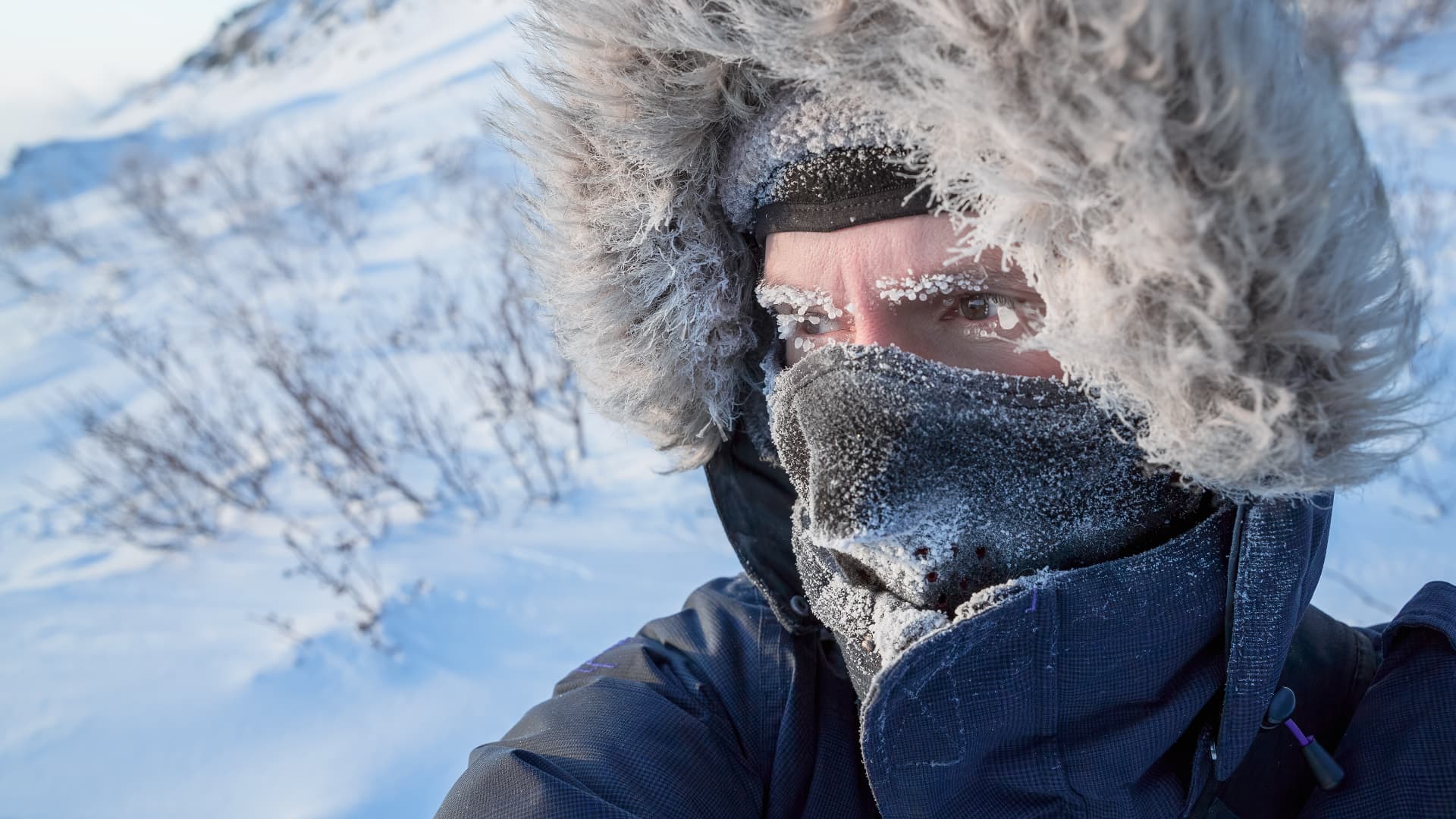
Pack a scarf, neck warmer or buff. Pulling it over your cheeks, chin and nose can make a cold or windy night much more comfortable.
Dress for standing still
This is perhaps the most important clothing advice for a northern lights trip. You might leave your accommodation thinking, ‘This isn't that cold.’ Twenty minutes later, after standing still and looking at the sky, you may feel very differently.
Walking generates body heat. Waiting for the aurora does not. If choosing between slightly too warm and slightly too light, the warmer option often makes sense. You can open your jacket or remove a layer, but warming up once you are already cold and far from your accommodation is much harder.
What to wear at different temperatures
Temperature is only a starting point. Wind, humidity, precipitation, exposure and how long you remain still can change how the cold feels.
0°C to −10°C
Thermal base layers, fleece or wool, a winter jacket, warm trousers, wool socks, insulated weather-resistant boots, gloves or mittens, a warm hat and neck warmer.
−10°C to −20°C
Warm thermals, one or more insulating layers, a substantial parka, insulated trousers and boots, mittens, an ear-covering hat, plus neck and face protection.
Below −20°C
Heavier insulation, highly insulated boots, substantial mittens and full exposed-skin protection. Follow local or guide advice if you are unfamiliar with extreme cold.
Ask for local advice before you pack
If you are unsure, ask someone who knows the destination. Your tour operator can explain what clothing and footwear are normally needed for the time of year you are visiting.
Traveling independently? Message your hotel or accommodation. Local staff can explain how the weather feels, whether to expect snow or ice, what footwear is practical and which items visitors commonly forget.
A windy coastal evening can require different clothing from a cold, dry night inland. It is also better not to assume you can buy everything after arrival: Nordic outdoor equipment can be expensive, and smaller or remote destinations may have limited shops.
If you know you need thermals, boots or gloves, arrive prepared. A two-minute question before your trip can save both a cold evening and an expensive shopping trip.
Check what your tour provides
Some operators in colder destinations provide thermal suits, winter overalls, insulated boots, gloves or hats. Others expect you to arrive fully equipped. Do not assume either way: check the tour description or contact the operator.
Even when a thermal suit is provided, you will normally still want suitable base layers, socks and everyday winter clothing underneath. Avoid so many layers that the suit becomes excessively tight.
Iceland and milder coastal destinations
Not every aurora destination experiences extreme Arctic temperatures. Some coastal areas have relatively moderate winters compared with inland regions, but milder temperatures do not necessarily mean comfortable conditions.
Wind, rain, sleet and rapidly changing weather can make a night outside feel much colder than the thermometer suggests. Windproof and waterproof clothing can be just as important as heavy insulation. Always check the actual local forecast rather than packing solely according to latitude.
Choose safe winter footwear
For snowy or icy conditions, insulated winter boots with good traction are usually the most practical option. Ordinary trainers are rarely suitable.
You may encounter packed snow, ice, wet snow, uneven paths, snowy parking areas and slippery viewpoints. Good footwear is therefore about both warmth and safer, more comfortable movement. In milder snow-free conditions, waterproof hiking boots may sometimes be sufficient.
Hand warmers and your backpack
Disposable or reusable hand and foot warmers can add comfort on particularly cold nights, but they are not a replacement for suitable clothing. Dress appropriately first, then treat warmers as a bonus.
You do not need to carry your entire suitcase. A small backpack is useful for spare gloves and socks, another mid layer, hand warmers, water, a snack, camera equipment and a power bank. An extra layer is especially valuable if the temperature drops or you stay out longer than planned.
Northern lights clothing checklist
Use this head-to-toe check before leaving your accommodation.
Upper body
Thermal base layer · insulating mid layer · warm outer jacket or parka
Lower body
Thermal leggings · warm or insulated trousers
Feet
Warm wool socks · insulated winter boots
Hands
Insulated gloves or mittens · optional liner gloves
Head and neck
Ear-covering hat · scarf, buff or neck warmer
Useful extras
Hand and foot warmers · spare socks · extra insulating layer
Frequently asked questions
How cold is it when watching the northern lights?
There is no standard temperature. Popular destinations range from mild coastal conditions to below −20°C inland. Check the local forecast for your exact place and date.
Do I need special clothes?
Not necessarily. Good winter clothing and proper layering are enough in many destinations, while extreme cold may require specialized insulation. Some tours provide thermal suits.
Can I wear jeans?
Jeans alone are poor insulation for long periods outside. If worn, add thermal leggings and a wind-resistant or insulated outer layer; proper winter trousers are usually better.
Are snow boots necessary?
For snow, ice or very low temperatures, insulated boots with good traction are highly recommended. Waterproof hiking boots may work in milder, snow-free conditions.
Are mittens better than gloves?
Mittens are often warmer. Photographers can combine thin liner gloves with insulated mittens for brief camera adjustments.
Should I dress warmer than for sightseeing?
Usually, yes. Sightseeing involves walking and body heat; aurora watching can mean standing still for long periods.
What if my tour provides a thermal suit?
Wear normal winter layers underneath unless instructed otherwise. Thermals, a comfortable mid layer and warm socks preserve flexibility without making the suit too tight.
Should I buy winter clothing after arrival?
Arrive with known essentials. Shops and prices vary, especially in remote places. Ask your operator or accommodation before traveling if you are unsure.
The bottom line
Do not focus on one temperature. Think about layers, wind, moisture, time outside and how much you will move.
Start with thermal base layers, add insulation, block wind and weather, and pay particular attention to your feet, hands, head and neck.
If conditions are uncertain, ask someone who knows the destination. Dress for the waiting, not just the forecast. Being comfortably warm means more time outside — and more time looking at the sky when the aurora finally appears.
Ready to pick a place?
Every destination page shows tonight's aurora outlook calculated from its own coordinates.
Explore destinations